


Electric Steam Boiler
electric steam boiler is regarded as the star product of Hangzhou Minglong Technology Co.,Ltd. It is a product designed adhering to international standards and is found to conform to the ISO 9001 requirements. The materials selected are known as eco-friendly, thus the product meets environmental protection requirements. The product is continuously upgraded as innovation and technological change are implemented. It is designed to have the reliability that spans generation.
Minglong branded products are always delivered with the cost performance ratio that exceeds customers’ expectations. The brand value proposition spells out what we do for customers all around the world – and explains why we are one of the trustworthy manufacturers. In a couple of years, our brand has spread out and won a high degree of recognition and reputation among overseas customers.
This electric steam boiler converts electrical energy into high-performance steam generation, serving a wide range of industrial and commercial applications. Its precise temperature and pressure control enables rapid steam production tailored to specific operational demands. With different focuses and no duplication of content, the system upholds advanced safety standards and operational efficiency.
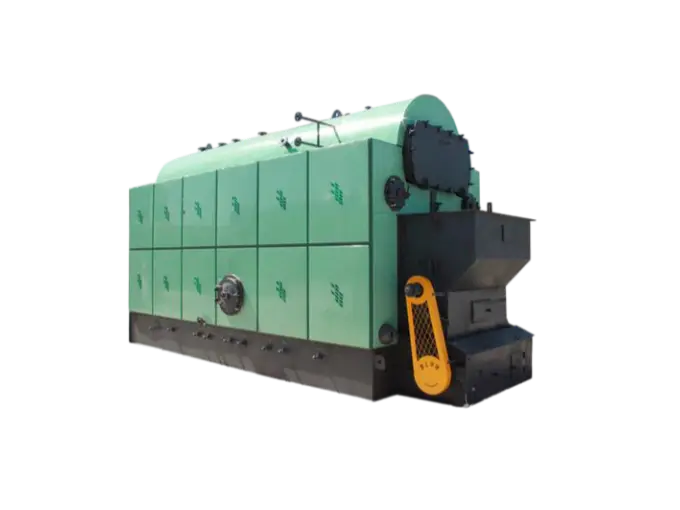
- 1. Select based on required steam capacity and power output for your specific application (e.g., industrial processing, heating systems).
- 2. Prioritize energy efficiency and low emissions to reduce operational costs and environmental impact.
- 3. Choose models with advanced safety features like pressure regulators and automatic shutdown mechanisms.
- 4. Consider compact designs for space-constrained installations or modular systems for scalability.
Reciprocating boilers: These are commonly used in low to medium-pressure applications and are known for their durability and efficiency.Steam turbine boilers: These are used in power generation and high-pressure applications, offering high efficiency and clean energy output.Pressure vessel boilers: These are large-scale devices used in industries requiring continuous steam supply, such as manufacturing and petrochemical processes.steam boilers are essential in industries that require consistent steam supply, such as manufacturing, power generation, and chemical processing. They play a crucial role in converting thermal energy into mechanical energy, which drives industrial machinery and processes.
Advantages of Integrating Steam Boilers in Industrial AutomationThe integration of steam boilers in industrial automation offers numerous benefits, including enhanced efficiency, cost savings, and environmental sustainability. Here are some key advantages:
Energy Efficiency: Steam boilers are highly energy-efficient, converting a significant portion of the input energy into useful work. This efficiency reduces energy costs and lowers overall operational expenses.Cost Savings: By generating steam internally, steam boilers eliminate the need for external energy sources like natural gas or electricity, leading to substantial cost savings.Environmental Sustainability: Steam boilers often produce less pollution compared to other energy sources, making them a cleaner option for industries committed to environmental sustainability.Controllable and Scalable: Steam boilers can be easily controlled and scaled to meet the specific needs of different industrial processes, ensuring flexibility and adaptability.Energy Storage: Steam can be stored and used later, making steam boilers ideal for industries with fluctuating energy demand.For example, a factory that upgraded its steam boiler system reported a 20% reduction in energy consumption and a corresponding 15% decrease in operational costs. This improvement was achieved through optimized steam system design and the integration of advanced automation controls.
Challenges and Considerations in Implementing Steam BoilersWhile steam boilers offer many advantages, they also present challenges that must be carefully managed:
Initial Investment Cost: Steam boilers are expensive to purchase and install, requiring a significant upfront investment. This can be a barrier for smaller industries or those with limited budgets.Maintenance Requirements: Steam boilers require regular maintenance to ensure optimal performance and safety. This includes tasks like pressure regulation, boiler cleanliness, and insulation.Operator Training: Operators must be trained to use steam boilers effectively, ensuring safe and efficient operation. This training covers topics like pressure control, safety protocols, and system optimization.To address these challenges, industries can adopt phased implementation strategies, starting with smaller-scale steam boiler upgrades and gradually expanding as their infrastructure grows. Training programs and maintenance agreements can also help mitigate operational complexities.
Case Study: Successful Integration of Steam Boilers in a Manufacturing PlantA hypothetical case study of a manufacturing plant that integrated steam boilers into its industrial automation system demonstrates the transformative impact of steam boiler technology. Before the upgrade, the plant faced several operational challenges, including high energy costs and frequent downtime due to boiler maintenance issues.
After implementing a state-of-the-art steam boiler system, the plant achieved the following improvements:
Energy Efficiency: A 25% reduction in energy consumption, resulting in significant cost savings.Operational Reliability: A 90% reduction in boiler-related downtime, improving overall production efficiency.Steam System Optimization: The installation of advanced digital controls and IoT sensors allowed for real-time monitoring and predictive maintenance, further enhancing system performance.This case study highlights the tangible benefits of steam boiler integration, including cost savings, improved efficiency, and reduced downtime. It also underscores the importance of proper implementation and maintenance in achieving these benefits.
Technological Innovations Enhancing Steam Boiler IntegrationRecent technological advancements have further enhanced the integration of steam boilers in industrial automation. Innovations like digital controls, IoT integration, and AI-driven predictive maintenance are transforming the way steam boilers operate and are managed.
Digital Controls and Automation: Modern steam boilers are now equipped with digital control systems that allow for precise temperature and pressure control. These systems communicate with industrial automation networks, enabling seamless integration with other machinery and processes.IoT Integration: The use of IoT devices provides real-time monitoring of boiler performance, enabling predictive maintenance and the identification of potential issues before they escalate. This reduces unplanned downtime and extends the lifespan of the boiler.AI-Driven Predictive Maintenance: AI algorithms analyze data from the boiler to predict when maintenance is needed, optimizing scheduling and reducing the risk of equipment failure. This proactive approach ensures continuous steam supply and minimizes operational disruptions.These technological innovations are making steam boilers more efficient, reliable, and adaptable, further solidifying their role in industrial automation.
Future Trends and Opportunities in Steam Boiler TechnologyAs technology continues to evolve, steam boiler technology is poised for further advancements. Future trends include:
Modular and Energy-Efficient Designs: Smaller, modular steam boiler systems will become more popular, offering flexibility for industries with diverse energy needs.Higher Efficiency Standards: Advances in boiler design and materials will enable the development of more efficient steam boilers, further reducing energy costs and environmental impact.Energy Storage Solutions: Enhanced energy storage capabilities, such as those provided by advanced flywheel systems, will enable industries to store excess steam for future use, optimizing energy utilization.These trends suggest a growing emphasis on steam boiler integration in the context of sustainability and efficiency. As industries continue to prioritize environmental responsibility and operational excellence, steam boilers will remain a critical component of industrial automation.
The Importance of Steam Boilers in Industrial Automationsteam boilers play a vital role in modern industrial automation, offering a blend of efficiency, reliability, and sustainability that meets the demands of contemporary industries. From energy savings and cost reduction to environmental responsibility, steam boilers provide tangible benefits that enhance operational performance.
The case study of a manufacturing plant that successfully integrated steam boilers into its operations underscores the transformative impact of this technology. Additionally, the integration of advanced technological innovations, such as digital controls and AI-driven predictive maintenance, is further enhancing the performance and adaptability of steam boilers.
As industries continue to prioritize sustainability and efficiency, steam boilers will remain a cornerstone of industrial automation. Encouraging further investment in steam boiler technology and embracing these innovations will enable industries to achieve their full potential in a competitive global market.
In conclusion, steam boilers are not only a legacy technology but also a forward-looking solution in the realm of industrial automation. Their role in driving efficiency, reducing costs, and promoting sustainability makes them an indispensable part of modern manufacturing and energy systems.
 tony@hzmilon.com