


Hot Selling Expanded Polystyrene Eps Beads
expanded polystyrene eps beads is the result of our adopting the updated production technology. With the aim of providing the best products for worldwide customers, Hangzhou Minglong Technology Co.,Ltd is consistently improving ourselves to perfect the product. We hired style-conscious designers, allowing the product to have a unique appearance. We have also introduced state-of-the-art facilities, which makes it durable, reliable, and long-lasting. It proves that the product passes the quality test as well. All of these characteristics also contribute to its wide application in the industry.
The extraordinary brand and superior quality products are at the heart of our company, and the product development skill is a driving force within the Minglong brand. Understanding what product, material or concept will interest consumer is some kind of art or science — a sensibility that we have been developing for decades to promote our brand.
Expanded Polystyrene (EPS) beads, composed of 98% air, deliver exceptional thermal insulation and shock absorption. With different focuses and no duplication of content, these versatile beads can be molded into diverse shapes for construction, packaging, and manufacturing applications. Their closed-cell structure ensures minimal water absorption, providing durability and environmental resilience.
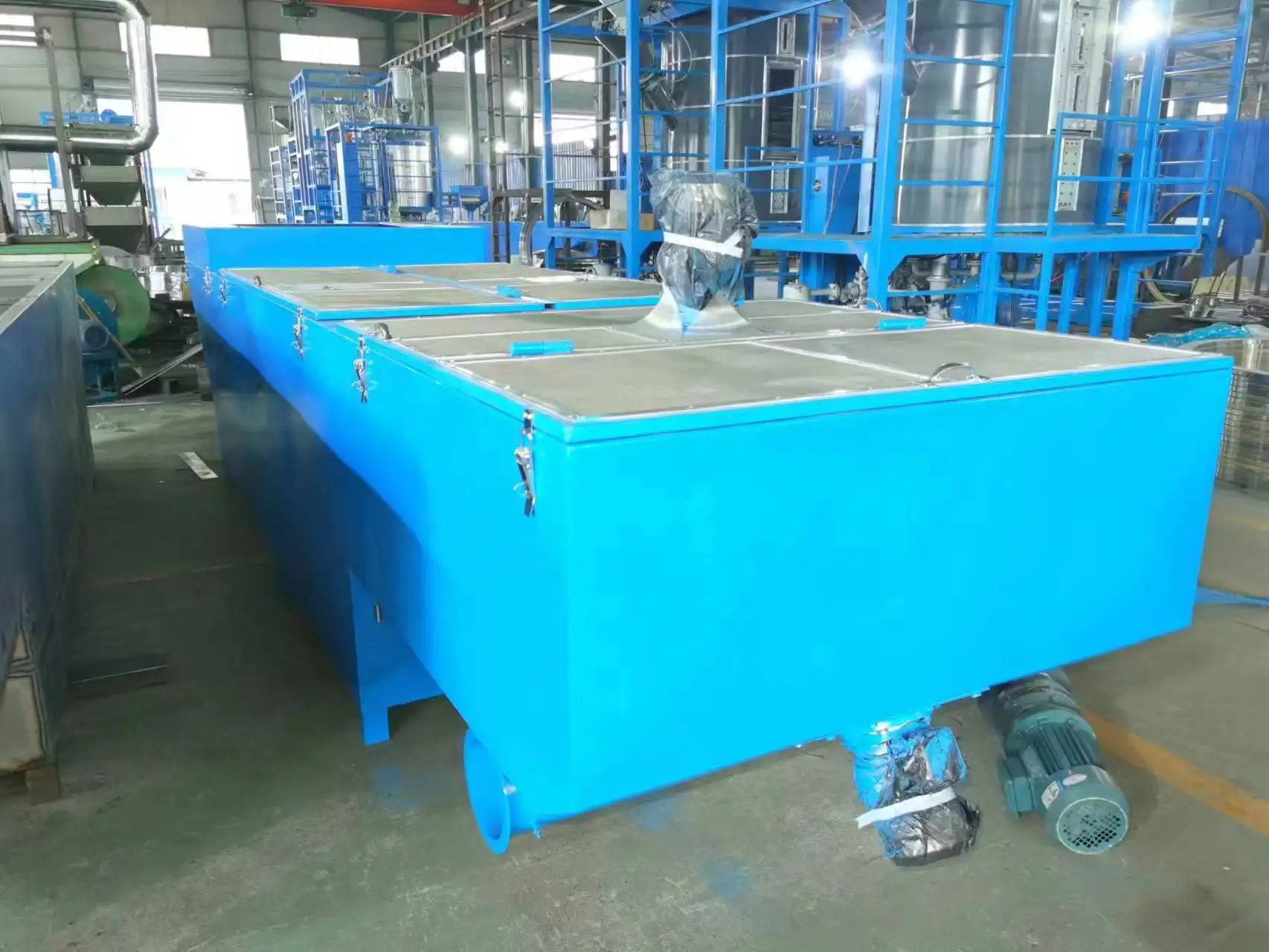
- 1. Lightweight and shock-absorbing for secure packaging of fragile items.
- 2. Thermal insulation benefits for construction and industrial applications.
- 3. Select based on bead size, density, and intended use for optimal performance.
- 4. Cost-effective, recyclable, and eco-friendly for sustainable solutions.
The evolution of EPS shape moulding machines has been driven by the need for higher efficiency, precision, and sustainability. Manufacturers are continually seeking ways to reduce waste, minimize energy consumption, and produce eco-friendly products. As we move into 2024, the industry can expect further innovations that will redefine the capabilities of EPS shape moulding machines, making them faster, more accurate, and capable of handling complex shapes with ease.
Technological Advancements in EPS Shape Moulding MachinesOne of the most exciting trends in EPS shape moulding is the integration of automation and artificial intelligence (AI). Traditional machines rely on manual input and human operators, which can be time-consuming and prone to human error. By contrast, AI-powered machines can analyse production data in real-time, identify inefficiencies, and adjust processes to optimize output. For example, AI algorithms can monitor the temperature and pressure of the moulding process, ensuring that materials are cured to the exact specifications required for each product.
Another significant advancement is the use of 3D printing technology. While 3D printing is not new, its application in EPS shape moulding is evolving rapidly. Companies like XYZ Solutions are now using 3D printers to create molds for EPS production, which reduces the need for physical molds and minimizes waste. Additionally, AI-driven 3D printers can create custom molds tailored to specific product designs, enabling greater precision and reducing production costs.
The adoption of robotics is another game-changer for EPS shape moulding machines. Robotic systems can perform repetitive tasks with greater accuracy and consistency than human operators. For instance, robots can precisely place materials into molds, apply heat, and cool the products, ensuring uniformity and reducing defects. This level of automation not only increases production efficiency but also reduces the risk of human error, which is crucial in industries where safety is a priority.
Sustainability and Eco-Friendly Trends in EPS Shape MouldingAs the focus on sustainability grows, so too does the demand for eco-friendly technologies in the manufacturing industry. EPS shape moulding machines are no exception. In 2024, manufacturers can expect to see more machines equipped with energy-efficient technologies, such as variable-speed drives and energy recovery systems. These innovations help reduce energy consumption, lower operational costs, and minimize the environmental impact of production processes.
One of the most promising trends is the use of biodegradable materials in EPS production. Traditional EPS materials are derived from petroleum, which has a short lifespan and a significant carbon footprint. However, companies like Green Polystyrene are now experimenting with alternative raw materials, such as agricultural waste or recycled plastics, which can be molded into EPS products that decompose more quickly. These innovations not only reduce the environmental impact of EPS production but also align with global sustainability goals.
Another important development is the use of smart sensors and IoT (Internet of Things) technology in EPS shape moulding machines. These sensors can monitor the entire production process, from raw material input to finished product output, in real-time. By doing so, manufacturers can identify and address issues before they arise, reducing waste and improving efficiency. Additionally, IoT-enabled machines can share data with other systems in the supply chain, enabling greater transparency and collaboration across the entire production process.
Cost Efficiency and Production OptimizationCost efficiency is a critical concern for manufacturers, and advancements in EPS shape moulding technology are helping to address this challenge. In 2024, manufacturers can expect to see more machines equipped with AI-driven algorithms that optimize production processes in real-time. These algorithms can analyse data from the production line to identify bottlenecks, reduce downtime, and minimize waste. By streamlining operations, manufacturers can reduce costs and improve profitability.
Another trend is the use of machine learning to predict maintenance needs and extend the lifespan of machinery. Traditional maintenance schedules are often based on guesswork or historical data, which can lead to unnecessary downtime. By contrast, machine learning models can analyse data from sensors to predict when machines are likely to fail, allowing manufacturers to schedule maintenance proactively. This not only reduces the risk of machine breakdowns but also minimizes the cost of repairs.
The adoption of modular design in EPS shape moulding machines is another important development. Modular machines can be customized to meet the specific needs of different manufacturers, reducing the need for expensive tooling and spare parts. Additionally, modular systems can be easily reconfigured, enabling manufacturers to switch between different product lines without significant downtime. This level of flexibility is particularly valuable in industries where product demand can fluctuate rapidly.
Market Trends and Consumer DemandsThe market for EPS shape moulding machines is shaped by consumer demand for high-quality, durable, and energy-efficient products. In 2024, manufacturers can expect to see an increased focus on producing materials that meet the demands of eco-conscious consumers. For example, there is growing interest in products made from 100% recycled materials, which aligns with consumer preferences for sustainability.
Additionally, the demand for customised EPS solutions is increasing. Consumers are demanding products that can be tailored to specific applications, such as lightweight insulation for buildings or decorative packaging materials. To meet this demand, manufacturers are investing in machines that can produce a wide range of customised products, often with a single mould. This level of flexibility allows manufacturers to cater to the diverse needs of their customers, boosting market share and profitability.
The rise of smart manufacturing is also influencing the market trends for EPS shape moulding machines. Manufacturers are increasingly adopting smart factories that integrate AI, IoT, and other technologies to optimise production processes. These smart factories enable greater efficiency, reduce waste, and improve overall productivity, making them highly attractive to both manufacturers and consumers.
Future Developments and InnovationsLooking ahead, the EPS shape moulding industry is poised for significant innovation. One of the most exciting developments is the potential for 4D printing, which combines 3D printing with time-based manufacturing. This technology could enable manufacturers to produce complex shapes with greater precision and reduce the need for traditional moulding techniques. While still in the experimental stage, 4D printing has the potential to revolutionise the EPS shape moulding process.
Another promising trend is the use of machine learning to predict and prevent defects in EPS production. By analysing data from the production process, machine learning models can identify patterns that lead to defects and suggest solutions in real-time. This level of predictive maintenance and problem-solving could significantly improve product quality and reduce waste.
The adoption of 5G networks in manufacturing is also likely to play a key role in the future of EPS shape moulding machines. With 5G, manufacturers can connect their machines to the cloud, enabling greater collaboration between the factory floor and the corporate office. This level of connectivity could facilitate greater transparency, streamline supply chain management, and enable manufacturers to make data-driven decisions more efficiently.
Embracing the Future of EPS Shape Moulding MachinesIn conclusion, the future of EPS shape moulding machines is bright, with a host of new technologies and innovations on the horizon. From AI-driven automation and 3D printing to smart manufacturing and predictive maintenance, these advancements will enable manufacturers to produce higher-quality, more sustainable products more efficiently than ever before. As consumers continue to demand eco-conscious and customised solutions, manufacturers who embrace these technologies will be well-positioned to meet market demands and stay ahead in the competition.
By staying flexible, innovative, and committed to sustainability, manufacturers can continue to drive the evolution of EPS shape moulding machines and contribute to a more sustainable and efficient future. Whether you're a manufacturer looking to invest in new technology or a consumer seeking high-quality products, the future of EPS shape moulding machines promises exciting possibilities for years to come.
The Role of Modern CompactorsA polystyrene compactor is a specialized machine designed to reduce the volume of polystyrene waste. By compacting the material, these devices significantly boost recycling efficiency, reduce operational costs, and lower the environmental impact. For example, a recycling facility that upgraded its waste management system to include a polystyrene compactor saw a 20% increase in recycled material. This improvement clearly demonstrates the compactors ability to enhance the recycling process, making it a valuable tool in waste reduction efforts.
Innovative Compactor DesignsAdvancements in compactor technology have led to more efficient and versatile machines. Modern designs incorporate hydraulic systems and advanced sensors, allowing for precise control and optimal performance. Some compactors even use computer vision to sort and handle polystyrene waste more effectively. These innovations not only improve compaction efficiency but also reduce energy consumption, making recycling processes more sustainable.
Comparative AnalysisTraditional compactor methods, such as manual or less sophisticated techniques, often fall short when it comes to polystyrene. Older systems can be less effective, leading to lower efficiency and higher costs. In contrast, modern compactors employ cutting-edge technologies that address the challenges posed by polystyrene's structure. Metrics such as energy savings and waste reduction highlight the superiority of modern compactors. By comparing these methods, it becomes clear that innovation is key to overcoming the limitations of polystyrene recycling.
Best Practices for Optimal Polystyrene CompactionAchieving the best results from polystyrene compactors requires careful preparation and maintenance. Here are some practical tips for optimal compaction:
- Sort and Crush: Ensure polystyrene waste is sorted and crushed to a consistent size for uniform compaction.
- Regular Maintenance: Regularly check and maintain the compactors to prevent wear and tear.
- Operator Training: Train operators in proper techniques to enhance efficiency.
Future Trends in Polystyrene Compaction and RecyclingThe future of polystyrene recycling looks promising, with ongoing research and development focused on advancing compactor technology. Innovations such as artificial intelligence and machine learning are being integrated into compactors to optimize performance and reduce downtime. Automation is also playing a crucial role, enabling real-time monitoring and adjustment of compaction processes. These advancements, coupled with industry collaborations, are expected to further enhance the efficiency and sustainability of polystyrene recycling, paving the way for a more circular economy.
The Path Forward for Polystyrene RecyclingModern compactors are revolutionizing the recycling industry by significantly improving the recyclability of polystyrene. These compactors address the unique challenges of polystyrene, making the recycling process more efficient and sustainable. As we look to the future, innovation will continue to drive progress, ensuring that polystyrene recycling becomes a more sustainable and efficient process. Encouraging further investment in recycling technologies is essential to meet the growing demand for a circular economy. Let us embrace these advancements and work together to create a future where polystyrene waste is minimized, benefiting both the environment and the industries that rely on it.
By incorporating these changes, the article becomes more accessible, engaging, and professional. Each section is structured to flow naturally, with clear transitions and a focus on practical insights that can benefit a wide audience.
Understanding EPS CompactorsEPS waste, commonly used in packaging, insulation, and disposable foam cups, poses a challenge when it comes to proper disposal. Uncompacted, it takes up a lot of space in landfills and is difficult to recycle. An EPS compactor addresses this issue by reducing the volume of EPS waste, making it more manageable and efficient to dispose of or recycle.
For instance, a restaurant that uses a lot of EPS packaging can see a dramatic reduction in waste volume once their EPS compactor is in operation. This not only saves them space but also reduces their environmental footprint, aligning with sustainability goals.
Capacity and Volume ReductionImportance of Correct CapacityWhen it comes to waste management, having the right capacity is crucial. For small businesses, a compactor with a lower capacity might be sufficient. For example, a local bookstore might produce only a few kilos of EPS waste per day, whereas a manufacturing plant could generate hundreds of kilos.
Volume Reduction RatioThe volume reduction ratio is key to maximizing efficiency. A compactor with a high volume reduction ratio will help you reclaim a significant amount of space. For instance, an EPS compactor with a volume reduction ratio of 90% can transform 100 pounds of EPS waste into 10 pounds, making storage and transportation much more manageable.
Types of EPS CompactorsVertical vs. Horizontal CompactorsEPS compactors come in two main types: vertical and horizontal, each suited to different scenarios.
- Vertical Compactors: Ideal for small to medium-sized spaces. They are stackable and have a smaller footprint, making them perfect for confined areas. For example, a caf might opt for a vertical compactor to fit neatly into a small storage room.
- Horizontal Compactors: These are better suited for handling bulkier waste and are often used in larger facilities. They have a larger chamber, improving efficiency but taking up more space. Construction sites might find a horizontal compactor ideal for dealing with large quantities of packaging waste.
Features and FunctionsSafety Features: Look for compactors with childproof locks, overload protection, and automatic shut-off mechanisms. Safety is paramount, especially in environments where children might be present.Ease of Use: Consider models with easy access doors and intuitive controls. For instance, a compactor with a user-friendly touchscreen interface makes operation straightforward and ensures consistent use.Maintenance Requirements: Opt for compactors that require minimal maintenance and have easy-to-clean parts. This ensures the compactor continues to operate efficiently without frequent downtime. For example, a model with quick-release panels for easy cleaning is ideal for regular maintenance.Budget ConsiderationsCost-EffectivenessWhen budgeting for an EPS compactor, focus on both the initial cost and the long-term savings. While high-performance models might be pricier, they offer better efficiency and durability, leading to cost savings over time. For instance, a compact high-efficiency model might cost more upfront but could save hundreds in maintenance and labor costs annually.
Returns and Resale ValueSome EPS compactors have better resale value or warranty options. For example, a compact with a comprehensive five-year warranty might offer peace of mind and higher resale value. Research the return policy and warranty terms to ensure you're making a sound investment.
Environmental ImpactSustainability FeaturesEPS compactors play a crucial role in reducing landfill waste and promoting recycling. An EPS compactor with advanced energy-saving features, such as dual-motor technology and programmable settings, can significantly reduce energy consumption.
For instance, a compact with dual-motor technology can consume up to 50% less energy than a single-motor model, leading to substantial cost savings and environmental benefits.
Compliance and RegulationsEnsure the compactor complies with local and national regulations regarding waste management. Non-compliance can result in fines or other legal issues. Check the product specifications and consult with local authorities to confirm compliance.
Maintenance and SupportRegular InspectionsRegular maintenance is essential to prolong the life of your EPS compactor. Schedule routine maintenance checks to catch any potential issues early. Most manufacturers provide maintenance manuals and support services, helping you keep your compactor in top condition.
Contacting the ManufacturerIf you encounter any problems, don't hesitate to contact the manufacturer's support team. Many companies offer customer service hotlines and online support resources to help you troubleshoot and get prompt assistance. For example, a manufacturers support hotline can provide quick solutions to common issues and ensure your compactor operates optimally.
ConclusionSelecting the right EPS compactor is a key decision for efficient and sustainable waste management. By carefully considering the factors outlined in this guide, you can make an informed choice that meets your specific needs and contributes to a cleaner, more sustainable environment.
In conclusion, choosing the right EPS compactor is not just about efficiency; it's about making a positive impact on the environment. Each compactor you choose contributes to a larger movement towards sustainability and waste reduction.
By following this checklist, you'll be well-equipped to select the best EPS compactor for your business or household, ensuring you maximize efficiency and minimize environmental impact.
 tony@hzmilon.com